
AI Readiness Checklist for SMBs
Published:
An AI readiness checklist should test governance, data protection, permissions hygiene, vendor review, staff training, and incident-response readiness before AI tools are adopted broadly.
Most organizations do not need more excitement about AI. They need a clearer operating model for using it responsibly.
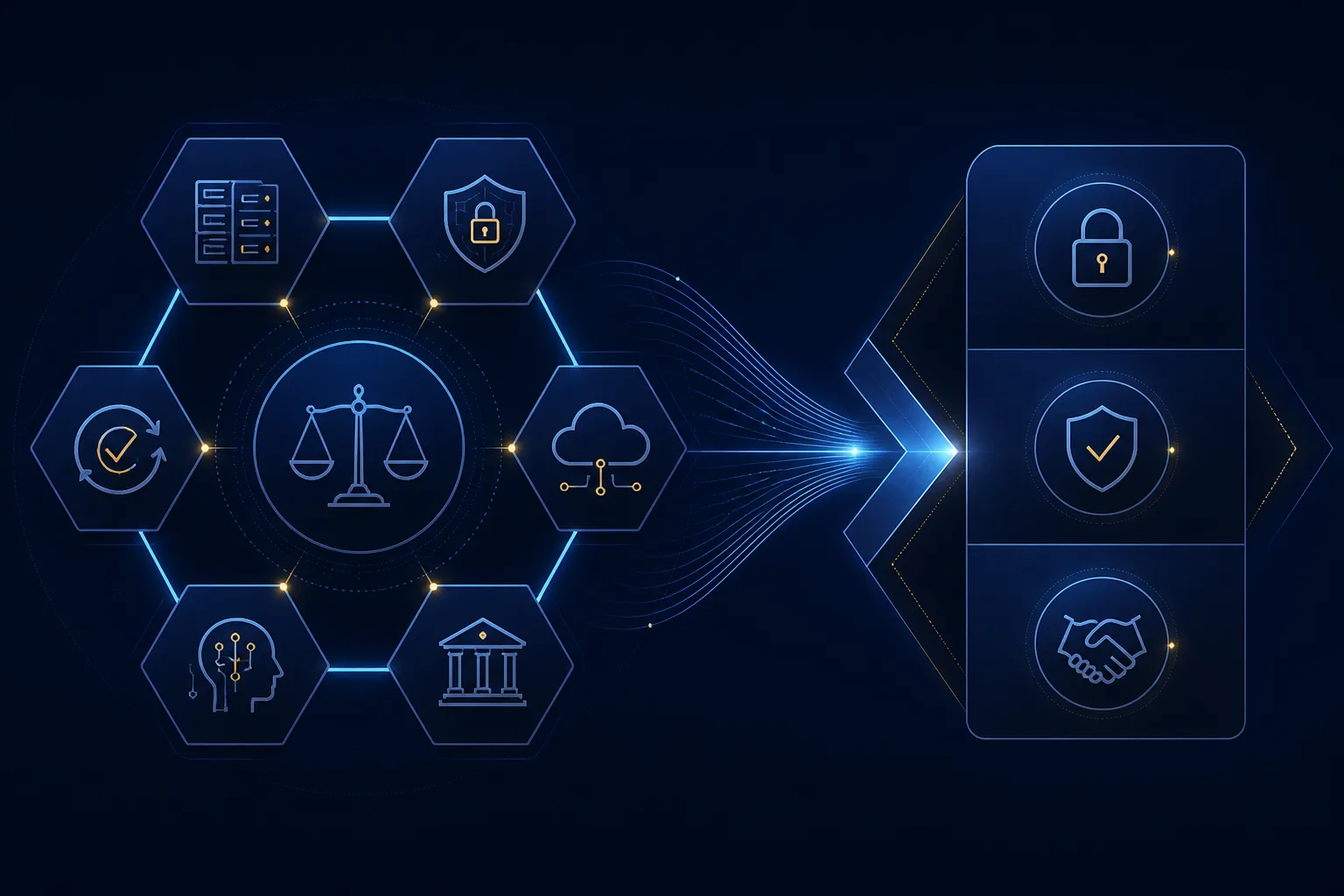
NIST’s July 2024 Generative AI Profile identifies 12 risk categories unique to or intensified by generative AI, including confabulation and data-privacy risk. Microsoft also documents that Microsoft 365 Copilot only accesses data a signed-in user is already authorized to access. Those two sources support the same operating point: AI readiness depends on governance, permissions hygiene, and data-handling discipline before it depends on enthusiasm.
How to use this checklist
This checklist is meant to assess whether the organization is ready to use AI responsibly, not just whether it is excited to use AI quickly. The most important answers are usually the ones that reveal how the business already governs data, access, approvals, and accountability.
Strong answers typically show that AI is being introduced into an environment with visible ownership and clear handling rules. Weak answers usually show that AI is being layered onto already loose permissions, inconsistent data practices, or vendor decisions that were never reviewed deeply enough.
1. Governance checklist
Review whether:
- AI use is governed by a real policy or decision framework
- ownership is clear for approval, oversight, and escalation
- leadership understands where AI use is already happening
- acceptable use expectations are documented and communicated
AI readiness is a governance issue before it becomes a productivity issue. That is because AI adoption often moves faster than policy. If leadership cannot explain where AI use is allowed, who approves it, and how risks are escalated, the organization is likely adopting tools before it has built the decision model needed to govern them well.

2. Data protection checklist
Check that:
- sensitive data handling expectations are clear
- high-risk data is identified or classified appropriately
- staff understand what should not be entered into external AI tools
- DLP or equivalent controls exist where needed
- oversharing risks in Microsoft 365 or SaaS platforms are being addressed
This section matters because AI often increases the consequence of weak information governance. Data that was already accessible can become easier to summarize, reuse, or expose in ways the business did not anticipate. Good answers here show the organization understands what should never be entered, surfaced, or shared casually through AI-enabled workflows.
3. Permissions and environment checklist
Validate whether:
- core collaboration platforms have reasonable permissions hygiene
- guest access and sharing drift are being reviewed
- app approvals and integrations are governed
- AI features are not being layered onto already weak access design
Permissions hygiene is one of the most important readiness signals. If the environment already suffers from oversharing, broad access groups, or inconsistent ownership, AI can make those weaknesses more visible and more operationally significant.
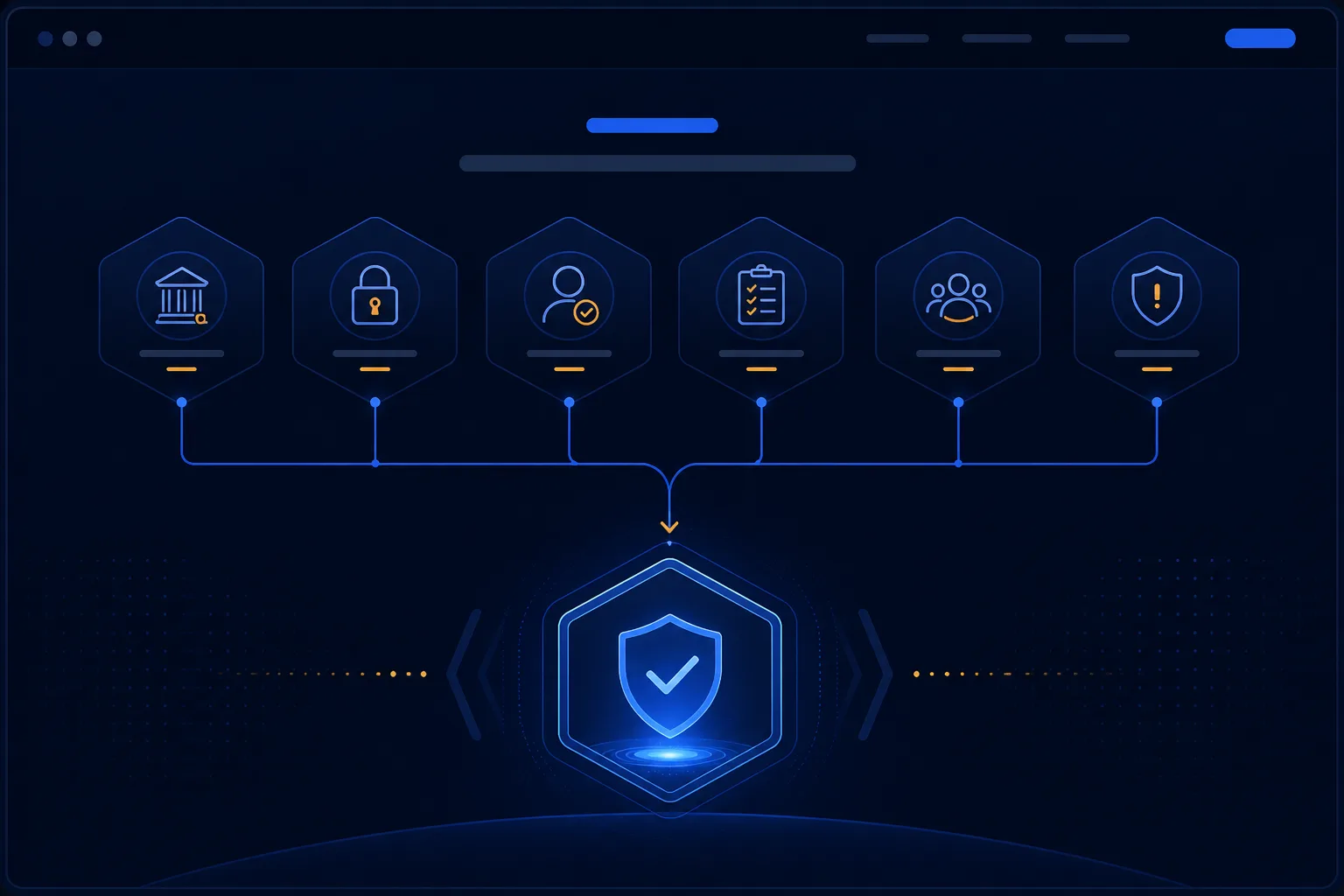
4. Vendor checklist
Review whether:
- AI vendors are being assessed for data handling and contractual risk
- approval standards exist for new AI tools
- leaders understand whether prompts, files, or outputs may be retained or reused by vendors
Vendor review matters because AI tooling often arrives through convenience. A team wants a faster workflow, a compelling feature, or a popular assistant. Without review discipline, the business may approve data flows and contractual terms it never would have accepted if the implications had been made clearer earlier.
5. People and response checklist
Confirm that:
- employees have basic guidance for responsible AI use
- escalation exists for suspicious output, data exposure, or misuse
- leadership has thought through how AI-related incidents would be handled
People and response discipline matter because AI misuse is rarely only a technology issue. It can become a confidentiality issue, a governance issue, or a judgment issue. Good maturity means the organization can guide staff clearly and respond coherently if a prompt, output, or sharing action creates concern.
What strong and weak answers usually indicate
Strong answers suggest the business is preparing to adopt AI from a control and accountability standpoint, not just a feature standpoint.
Weak answers suggest the organization may be trying to move quickly on AI while still carrying unresolved risk in data handling, permissions, or governance. That does not mean AI should stop completely. It does mean readiness should be strengthened before adoption widens.
What current evidence shows
NIST’s July 2024 Generative AI Profile identifies 12 risk categories unique to or intensified by generative AI, including confabulation and data privacy.
That matters because AI readiness is not only a productivity question. It is also a risk-governance question.
Microsoft documents that Microsoft 365 Copilot only accesses data a signed-in user is already authorized to access.
That reinforces why permissions hygiene, data governance, and ownership should be addressed before broad AI rollout.
The Canadian Centre for Cyber Security says its baseline controls for small and medium organizations are designed around an 80/20 principle.
That supports a practical readiness message: straightforward governance and control improvements can materially strengthen AI adoption readiness without requiring enterprise complexity.
The evidence points in the same direction as the checklist: businesses usually become AI-ready by strengthening control quality and accountability, not by moving faster than their governance model can support.
Frequently asked questions
Final takeaway
A business is not AI-ready because employees can access AI tools. It is AI-ready when governance, permissions, data handling, and accountability are strong enough to support those tools responsibly.

Start with an AI Readiness Assessment.
If your organization is moving quickly on AI but slowly on governance, start with an AI Readiness Assessment before convenience outpaces control.